Tea Wax: Natural Creaminess and Skin Barrier Support from an Upcycled Source
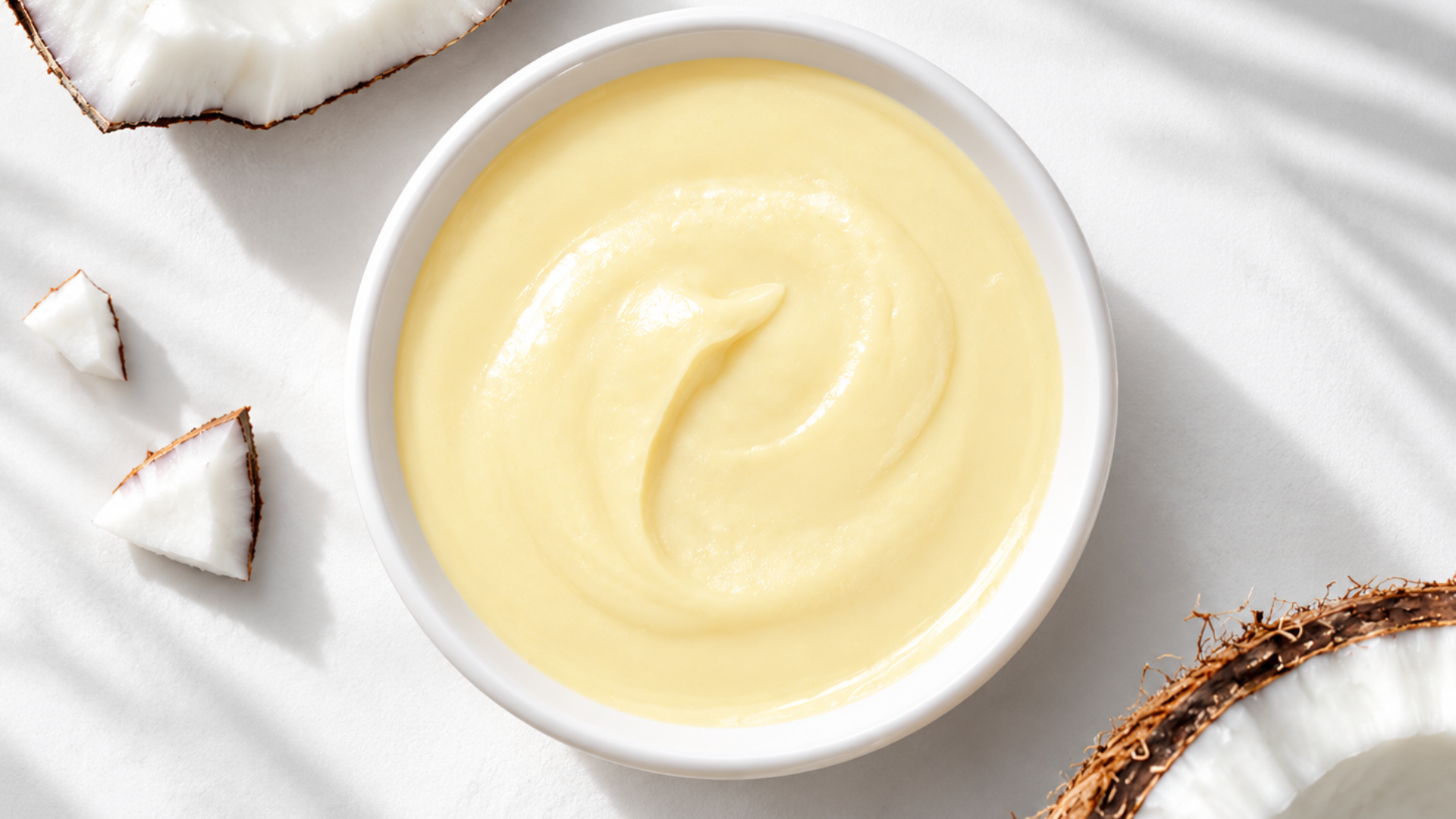
We're the UK's trusted distributor of the Kahl wax portfolio, and tea wax has one of the most interesting origin stories in the range: a soft, creamy natural wax recovered as a by-product of decaffeinated tea production. We supply KahlWax 6614 Tea (INCI: Camellia Sinensis Leaf Wax), and at use levels of just 1 to 3% it brings richness, creaminess and a subtle natural tea scent to hair conditioners, body butters, hand creams, lip balms and colour cosmetics. If you're looking for a natural wax with a genuine upcycling story and measurable skin benefits, this is one worth knowing.
Where It Comes From
Tea wax comes from the leaves of Camellia sinensis, the evergreen shrub whose leaves and buds give us tea. Native to East Asia, the Indian subcontinent and Southeast Asia, it's now cultivated across tropical and subtropical regions worldwide. Two main varieties are grown: the small-leaved Chinese variety (C. sinensis sinensis), used mainly for green tea, and the large-leaved Assamese plant (C. sinensis assamica), used mainly for black tea. Usually only the bud and the first two to three leaves are picked, by hand, and the harvest is repeated every one to two weeks.
On the plant, a natural wax coating protects the leaves against mould, parasites and loss of moisture. When tea is decaffeinated, the leaves are treated with CO2 extraction to reduce their caffeine content (fresh leaves contain around 4%), and that same step lifts the crude wax from the leaves. The caffeine recovered is sold on to other industries, while the crude wax is refined in Germany: heated to around 110°C with filter aids and filtered to produce the finished KahlWax 6614 Tea.
It's a genuinely circular ingredient. Tea wax is an upcycled by-product of decaffeinated tea manufacture, obtained through a mild, solvent-free CO2 extraction with no waste. It's a renewable resource, and the tea is sourced from a Fairtrade and Rainforest Alliance certified supplier.
What Makes It Different
KahlWax 6614 Tea is a soft, creamy wax with a medium-low drop melting range of 60 to 66°C and a cone penetration of around 50 dmm at 25°C. It consists mainly of long-chain wax esters and hydrocarbons, and its hydrocarbon content of around 10% is comparable to beeswax, which is what gives tea wax its very soft texture.
In practice, that softness means it behaves more like an emollient than a classic structuring wax. It makes oleogels and W/O emulsions more substantial without significantly affecting hardness, while noticeably increasing creaminess, and because it's so soft its influence on the viscosity of anhydrous products is low. It offers good oil-binding capacity with both very polar and non-polar emollients, and works particularly well with paraffin oil. Kahl lists its benefits as re-fatting agent, oil binder/thickener, texture enhancer, pay-off enhancer and viscosity regulator.
The test data back this up. In a 20-person sensory panel, an O/W emulsion containing 3% tea wax was compared with a placebo containing 3% MCT oil and delivered a rich, creamy skin feel similar to that of an emollient. In a TEWL (transepidermal water loss) study on 12 volunteers, an O/W body butter with 3% tea wax significantly reduced TEWL one hour after application compared with the same formula without it, supporting the skin's natural barrier function.
Two formulation points worth knowing. Tea wax is dark olive to brown in colour, and depending on use level it shifts emulsions towards yellow, so it sits most comfortably in pigmented formulations; in non-pigmented products the colour may fade over time, so if colour matters Kahl recommends opaque packaging. It also carries a characteristic natural green/black tea scent and flavour, which you can use as part of a natural fragrance, complement with other notes, or mask easily with perfume oil.
KahlWax 6614 Tea is vegan, solvent free and suitable for natural cosmetics. For China it's listed as Camellia Sinensis Leaf Extract, and Annex 14 questionnaires are available to support CSAR compliance.
Working With It
The recommended use level is 1 to 3%. It's easy to incorporate into any type of formulation and is compatible with all commonly used cosmetic ingredients. Where it earns its place:
- Hair care, at 1 to 2% in rinse-off and leave-on conditioners and scalp scrubs, where it adds re-fatting richness and a creamy texture
- Skin care emulsions and gels, where it gives low viscosity systems, O/W emulsions and aqueous gels a soft, smooth and homogeneous texture, ideal for body butters and hand creams
- Colour cosmetics and lip care, where its medium-low melting range delivers excellent pay-off and smoothness, used at up to 3% in a natural W/O lip balm
Kahl's own starter formulations show how versatile it is, with tea wax used from 1.0% to 3.0% across nine products: a natural hair conditioner and a leave-on conditioner (both 1.5%), a cream conditioner for oily hair (2.0%), a scalp scrub, a natural body scrub and a hand cream (all 1.0%), a body butter and a hot-poured body butter bar (both 1.5%), and a natural W/O lip balm (3.0%).
Tea wax itself has a Natural Origin Index of 1 (calculated to ISO 16128), and with its upcycled, solvent-free production, it's a natural fit for clean and naturally positioned ranges.
Why Source Tea Wax Through H Foster
- EcoVadis Platinum rated, we hold EcoVadis Platinum status, placing us in the top 1% of suppliers assessed
- globally for sustainability
- UK-based stock and shipping, with shorter lead times than sourcing directly from Germany or Asia
- ISO 9001 and ISO 14001 certified
- Technical formulation support, backed by Kahl's in-house expertise, we work alongside customers to help develop
and refine their formulations, not just supply the raw material
Our EcoVadis Platinum accreditation isn't just a badge on the website. It's a genuine reflection of how we operate, and one of the reasons formulators come back to us.
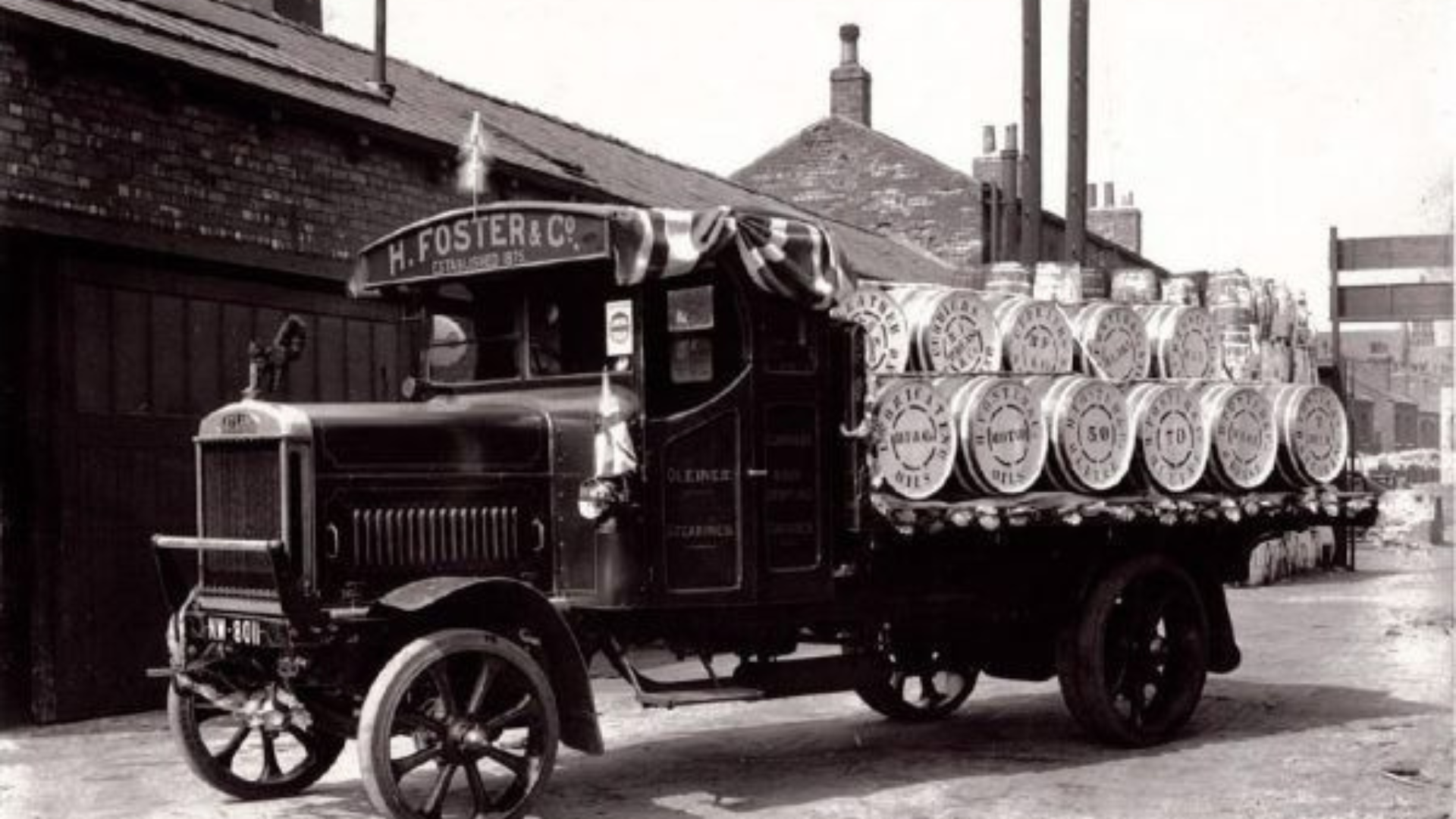
H Foster 1875
Specialty chemical distribution · EcoVadis Platinum · ISO 9001 · ISO 14001